
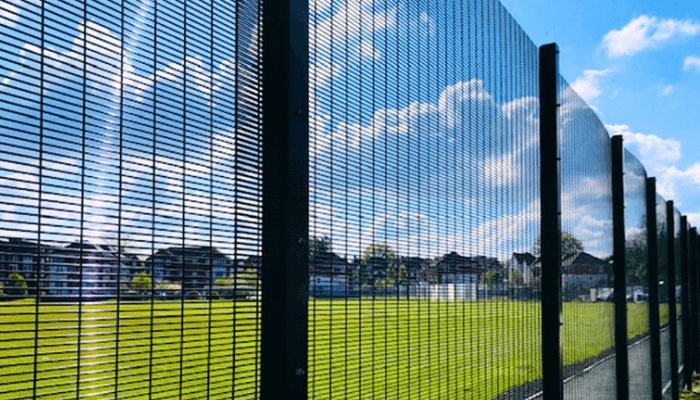
Quick answer: 358 weldmesh fencing offers genuinely high security thanks to its tight, anti-climb mesh pattern and rigid construction, making it a favoured choice for sites where perimeter security genuinely matters. Understanding what makes this specific mesh style so effective helps you decide if it suits your particular security needs.
Contents
- What Makes This Mesh Pattern Genuinely Secure?
- What Types of Sites Genuinely Benefit?
- How Does It Compare to Standard Fencing?
- What Should You Check Before Installation?
- Frequently Asked Questions
For sites where genuine perimeter security is a priority, 358 weldmesh fencing has become a widely trusted specification. Understanding exactly what makes this particular mesh pattern so effective helps you judge whether it’s the right level of security for your specific site.
Knowing which types of sites benefit most, and how it compares to standard fencing, helps you make an informed decision.
What Makes This Mesh Pattern Genuinely Secure?
The tight aperture size in this specific mesh pattern makes it genuinely difficult to gain hand or foot holds, significantly hindering climbing attempts compared with wider mesh alternatives. The welded, rigid construction also resists cutting and manipulation considerably better than woven chain link, given its solid connection points throughout.
This combination of anti-climb geometry and rigid construction is exactly why this mesh style has become a genuine standard for higher-security applications.
What Types of Sites Genuinely Benefit?
Utility sites, data centres and other critical infrastructure locations commonly specify this fencing given the genuinely serious security consequences of unauthorised access. Commercial premises holding valuable stock or equipment also frequently choose this option, prioritising genuine deterrence over lower-cost alternatives.
Even residential properties with specific security concerns sometimes specify this fencing, particularly around more vulnerable boundary sections.
How Does It Compare to Standard Fencing?
Compared with standard chain link, this fencing offers considerably greater resistance to both climbing and cutting attempts, reflecting its genuinely higher security specification. This comes with a higher cost than basic chain link, which is worth weighing against your specific genuine security requirements.
For sites where security is a genuine priority rather than a secondary consideration, this higher specification often represents worthwhile investment relative to the protection it provides.
What Should You Check Before Installation?
Confirming panel height and specific mesh gauge against your genuine security requirements helps ensure the specification actually matches your needs, rather than defaulting to a standard option. It’s also worth checking foundation and post specification, since genuine security fencing performance depends on proper installation, not material specification alone.
Choosing an installer with genuine experience specifically in high-security fencing helps ensure the finished installation performs as intended.
Frequently Asked Questions
Is 358 weldmesh fencing considerably more expensive than standard chain link?
Generally, yes, given its higher security specification and welded construction, though this reflects genuinely enhanced performance rather than unnecessary cost. Weighing this against your specific security requirements helps determine if the investment is justified.
Can this fencing be combined with additional security measures?
Yes, it’s commonly combined with measures like CCTV or intruder detection systems for genuinely layered security. This combination approach is common for sites with particularly serious security requirements.
Does installation require specialist contractors?
Given the genuine performance requirements involved, choosing an installer with specific high-security fencing experience is worth doing, rather than a general fencing contractor without this specific expertise. This helps ensure the finished installation genuinely delivers the intended security performance.


More Stories
Future Horizons: The Next Big Leap in Mobile Trends
Pioneering Tomorrow: How 5G is Reshaping Innovation Across Industries
Unleashing the Power of 5G: A New Era of Connectivity and Innovation