
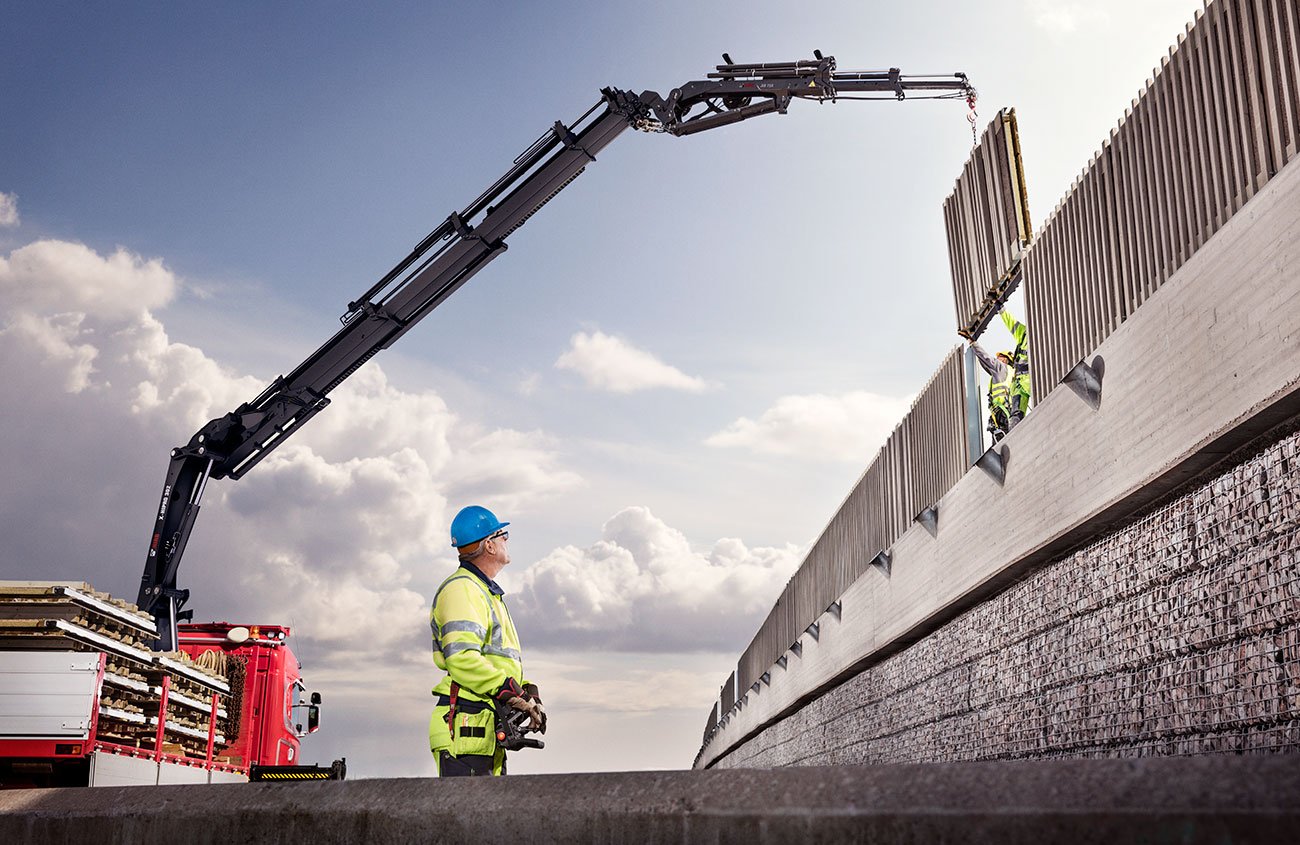
Quick answer: HIAB operator training teaches drivers to safely control a lorry-mounted crane used for loading and unloading heavy goods, a common requirement across construction and groundworks roles. Holding this qualification alongside an HGV licence genuinely widens the range of jobs available.
Contents
- What Does HIAB Operator Training Actually Cover?
- Who Typically Needs This Training?
- How Does It Combine With an HGV Licence?
- What Should You Check Before Booking a Course?
- Frequently Asked Questions
For HGV drivers wanting to widen their job prospects, HIAB operator training adds a genuinely useful additional skill, covering the safe operation of lorry-mounted cranes used across construction and heavy haulage. Many employers specifically look for this qualification alongside a standard HGV licence.
Understanding what the training covers, and who tends to benefit most, helps decide whether it’s worth adding to your existing qualifications.
What Does HIAB Operator Training Actually Cover?
Training covers safe crane operation, load calculation, stability checks and correct use of controls, alongside relevant health and safety procedures specific to lorry-mounted cranes. Practical sessions typically build from simple lifts through to more complex loading scenarios under supervision.
Courses also cover pre-use inspection and basic fault recognition, since operators are expected to identify issues before use rather than relying solely on scheduled maintenance checks.
Who Typically Needs This Training?
Drivers working in construction materials delivery, groundworks and plant hire often need HIAB certification as a standard job requirement rather than an optional extra. Employers in these sectors frequently list it as essential, given how routinely lorry-mounted cranes are used for loading and unloading on site.
Even where not strictly required, holding a HIAB qualification can make a driver considerably more competitive when applying for roles in these sectors.
How Does It Combine With an HGV Licence?
HIAB training is typically taken in addition to, rather than instead of, a standard HGV licence, since the crane operation itself is a separate skill from driving the vehicle. According to GOV.UK, core Driver CPC requirements still apply to HIAB-qualified drivers in the same way as any other professional HGV driver.
Most drivers pursue HIAB training after qualifying for their core HGV licence, once they have a sense of which sector they want to work in.
What Should You Check Before Booking a Course?
Confirming that a course is properly accredited and covers the specific type of crane relevant to your target job sector is worth doing before booking. It’s also worth asking how much hands-on practical time is included, since genuine confidence comes from real practice rather than theory alone.
Course length and cost vary by provider, so comparing a few options against what’s actually included is a sensible approach.
Frequently Asked Questions
How long does HIAB operator training typically take?
Most courses run over one to a few days, depending on the specific crane category and a candidate’s existing experience. Refresher or category-specific add-on courses are often shorter than initial full training.
Does holding a HIAB qualification increase earning potential?
Many drivers find that HIAB certification opens up additional roles, particularly in construction and groundworks, which can come with higher pay than standard delivery driving. The actual pay difference varies by employer, sector and region.
Is a HIAB qualification the same across all crane types?
No, lorry-mounted crane qualifications are often categorised by lifting capacity and crane type, so it’s worth checking that a course covers the specific equipment relevant to your intended work. Some drivers hold multiple category qualifications.


More Stories
Future Horizons: The Next Big Leap in Mobile Trends
Pioneering Tomorrow: How 5G is Reshaping Innovation Across Industries
Unleashing the Power of 5G: A New Era of Connectivity and Innovation