
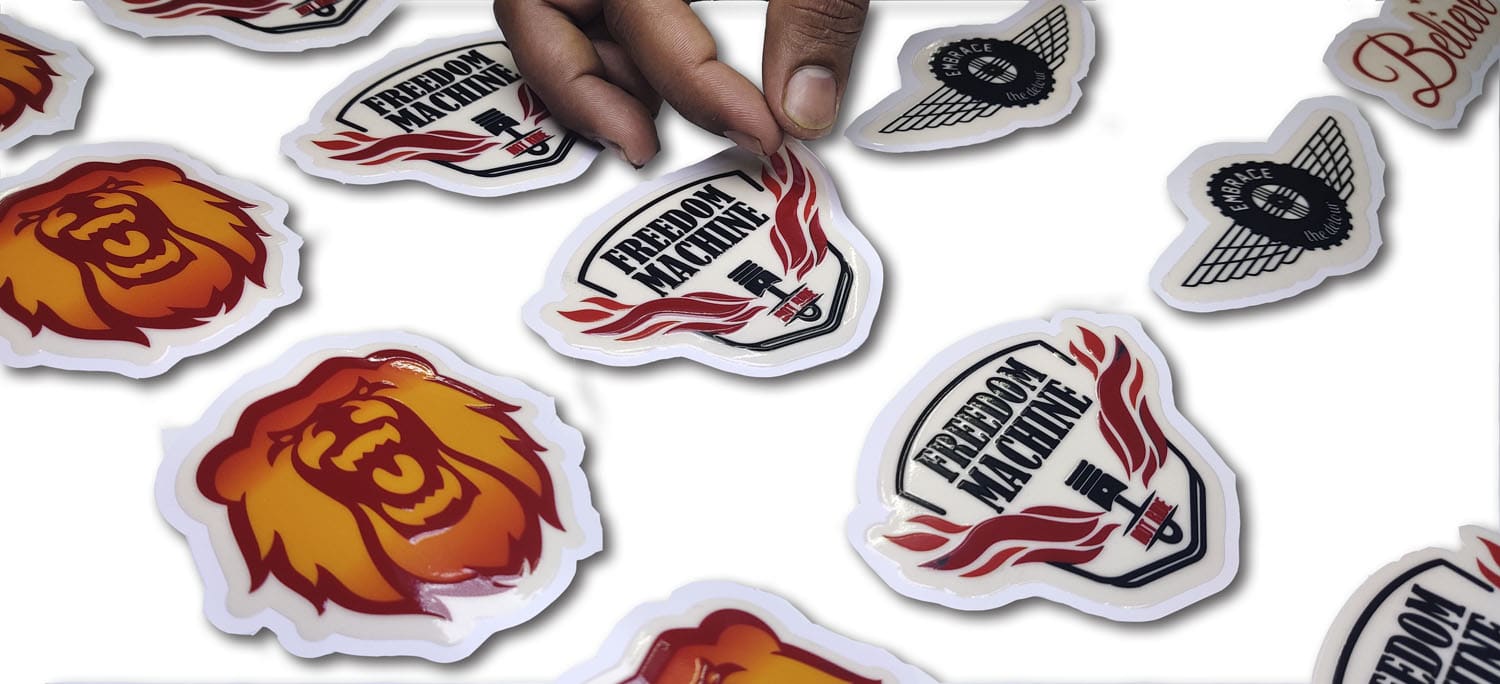
Quick answer: Embossed stickers add a genuinely tactile, premium finish that flat printed labels simply can’t replicate, making them a popular choice for brands wanting their packaging or products to stand out physically as well as visually. Understanding what makes this technique distinctive helps you decide if it suits your specific branding goals.
Contents
- What Does Embossing Actually Achieve?
- Which Designs Genuinely Suit Embossing?
- How Does It Compare to Other Finishing Techniques?
- What Should You Check Before Ordering?
- Frequently Asked Questions
Standing out on a shelf increasingly means engaging more than just sight, which is exactly why embossed stickers have become such a popular choice for brands wanting genuine tactile distinction. Understanding what this technique actually achieves helps you judge whether it fits your specific branding goals.
Knowing which designs genuinely suit embossing, and how it compares to other finishing options, helps you make an informed choice.
What Does Embossing Actually Achieve?
Embossing creates a raised, three-dimensional effect on the label surface, adding genuine physical texture that flat printing simply cannot replicate. This tactile quality often creates a genuinely premium impression, since customers physically feel the quality difference when handling an embossed product.
Beyond the visual and tactile appeal, this dimensional effect can also help specific design elements, like a logo or brand mark, genuinely stand out and catch attention more effectively than flat printing alone.
Which Designs Genuinely Suit Embossing?
Bold, simple design elements, like logos or icons with clean lines, tend to translate most effectively into embossed form, since intricate fine detail can lose clarity in the raised format. Text can also be embossed effectively, particularly at reasonably substantial font sizes that hold their shape well in this format.
Considering how a design will genuinely translate into raised form, rather than assuming any flat design will work equally well embossed, helps you achieve the best possible result.
How Does It Compare to Other Finishing Techniques?
Compared with foiling, which adds colour and shine, embossing specifically adds physical texture and dimension, and the two techniques are often combined for genuinely striking combined effects. Compared with standard flat printing, embossing offers a considerably more premium, tactile impression, though it does come with a higher production cost.
Understanding these distinctions helps you choose the specific finishing technique, or combination of techniques, that genuinely suits your brand positioning and budget.
What Should You Check Before Ordering?
Requesting a physical sample before committing to a full production run helps confirm the embossed effect genuinely achieves your intended look and feel. It’s also worth checking minimum order quantities specifically for embossed labels, since this technique sometimes carries different minimums than standard flat printing.
Discussing your specific design directly with your printer helps confirm it will translate effectively into embossed form before finalising your order.
Frequently Asked Questions
Does embossing work on all label materials?
This varies by material, so it’s worth confirming with your specific printer whether your chosen label stock is genuinely suitable for embossing. Some materials hold the raised effect considerably better than others.
Is embossing considerably more expensive than standard printing?
Generally, yes, given the additional production process involved, though the premium impression it creates often justifies this cost for brands prioritising genuine tactile distinction. Comparing costs directly with your printer helps you weigh this against your specific budget.
Can embossed stickers include colour as well as texture?
Yes, embossing can be combined with standard colour printing, and often is, for a genuinely striking combined effect. Discussing this combination directly with your printer helps achieve your intended overall design.


More Stories
Future Horizons: The Next Big Leap in Mobile Trends
Pioneering Tomorrow: How 5G is Reshaping Innovation Across Industries
Unleashing the Power of 5G: A New Era of Connectivity and Innovation