
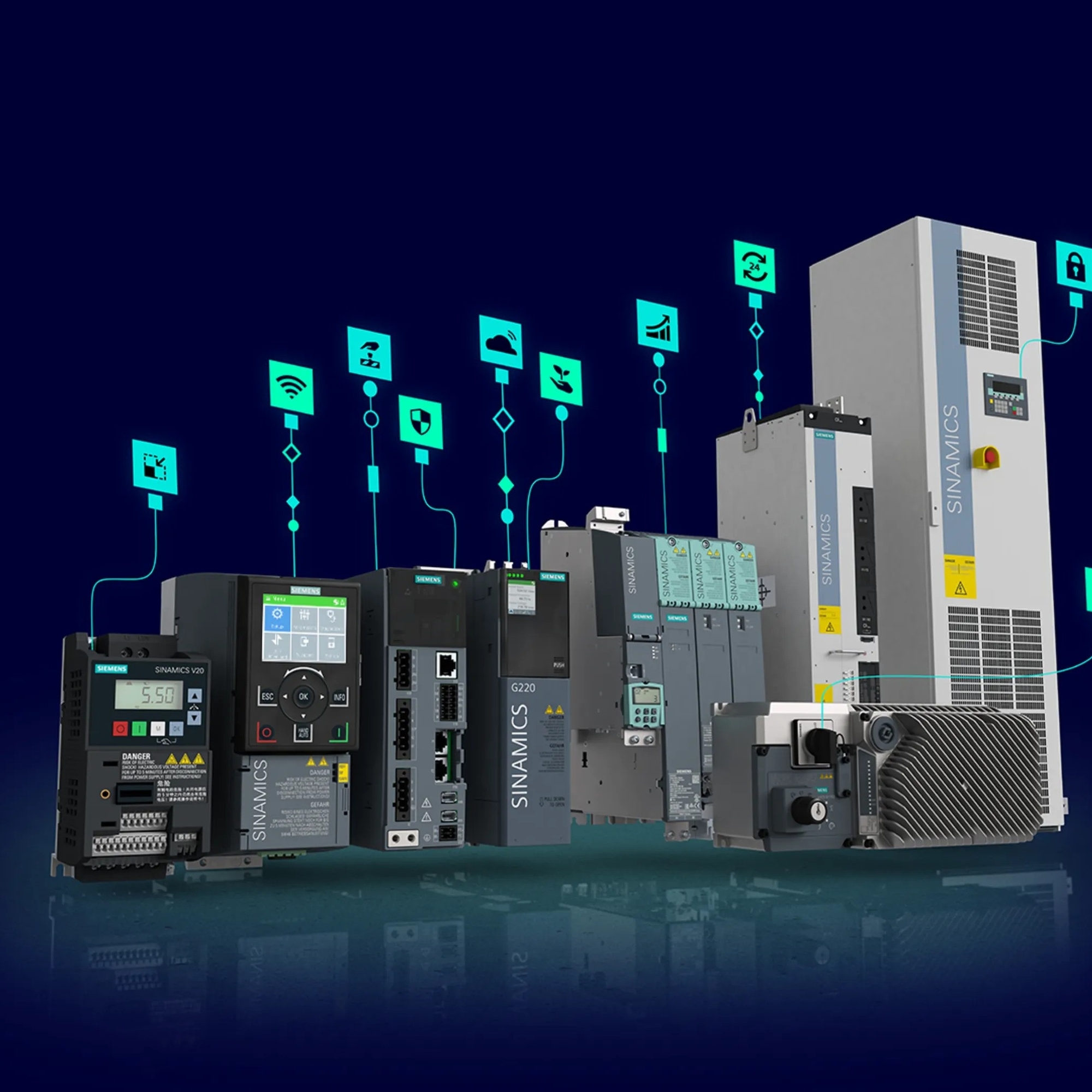
The quest for energy efficiency has moved from a corporate social responsibility goal to a core operational necessity. In the industrial world, electric motors are the unsung workhorses, powering everything from massive ventilation fans and water pumps to conveyor belts and heavy machinery. Historically, these motors ran at a single, constant speed, regardless of the actual demand of the process they were supporting. This “all or nothing” approach resulted in staggering amounts of wasted electricity. The introduction and refinement of rotary frequency converters—often called variable frequency drives—have revolutionized this landscape. By allowing motors to adapt their speed to the task at hand, these devices have become one of the most effective tools for reducing global energy consumption.
Soft Starting and Peak Demand Reduction
Energy consumption is not just about the total amount of power used over time; it is also about when and how that power is drawn from the grid. Traditional motors require a massive surge of electricity to start from a standstill, often drawing six to ten times their rated current. These “in-rush” currents put a strain on the electrical infrastructure and can lead to significant peak demand charges from utility companies. Furthermore, the sudden mechanical jolt of a high-torque start can damage belts, gears, and couplings.
Frequency converters provide a “soft start” capability. They gradually ramp up the frequency and voltage to the motor, allowing it to accelerate smoothly and controlled. This eliminates the massive current spikes associated with across-the-line starting. By smoothing out the power demand, companies can lower their peak demand levels and reduce the risk of electrical faults. This controlled start-up also extends the life of the motor and the driven equipment, adding a layer of indirect energy savings by reducing the need for manufactured replacement parts and maintenance cycles.
Optimizing Process Control and Waste Reduction
Beyond the raw physics of motor speed, frequency converters contribute to sustainability by improving the precision of industrial processes. In manufacturing, consistency is key to reducing waste. A conveyor belt that moves at a variable, optimized speed can reduce product breakage. A cooling system that maintains a precise temperature by subtly adjusting fan speeds uses less energy than one that constantly cycles on and off. The “hunting” behavior of traditional systems—where a motor constantly overshoots and undershoots the target—is a major source of energy volatility.
Frequency converters allow for closed-loop control, where sensors provide real-time feedback to the drive. If a sensor detects a slight drop in pressure or temperature, the converter makes a minute adjustment to the motor speed to compensate. This steady-state operation is far more efficient than the aggressive cycling of older systems. By maintaining the perfect balance of input and output, frequency converters ensure that not a single watt of electricity is used without a corresponding benefit to the production line.
Enhancing the Power Factor of Industrial Plants
Another technical but vital way frequency converter reduces energy a cost is by improving the power factor of a facility. In many industrial motors, there is a discrepancy between the “apparent power” drawn from the utility and the “real power” actually doing the work. This inefficiency is known as a low power factor, and it causes energy to be lost as heat in the distribution wires. Utilities often charge penalties to industrial customers with poor power factors because it requires the utility to generate more electricity than is actually being consumed by the machines.
Most modern frequency converters act as a buffer between the motor and the grid. They draw power more efficiently and can significantly improve the power factor of the motor system. By reducing the “reactive power” in the system, the converter ensures that the electrical distribution network operates at peak efficiency. This reduces the heat generated in transformers and cables, further cutting down on secondary energy losses that often go unnoticed in large-scale operations.
Conclusion
The adoption of frequency converters represents a fundamental shift in how we manage mechanical motion. By moving away from the rigid, fixed-speed constraints of the past and embracing the flexibility of variable frequency control, industries can achieve a level of efficiency that was previously unthinkable. These devices do more than just save money on utility bills; they reduce the carbon footprint of our manufacturing base, protect valuable mechanical assets, and provide the precision necessary for modern production. As energy prices fluctuate and environmental regulations tighten, the frequency converter stands as a cornerstone technology for a sustainable industrial future.


More Stories
Future Horizons: The Next Big Leap in Mobile Trends
Pioneering Tomorrow: How 5G is Reshaping Innovation Across Industries
Unleashing the Power of 5G: A New Era of Connectivity and Innovation