
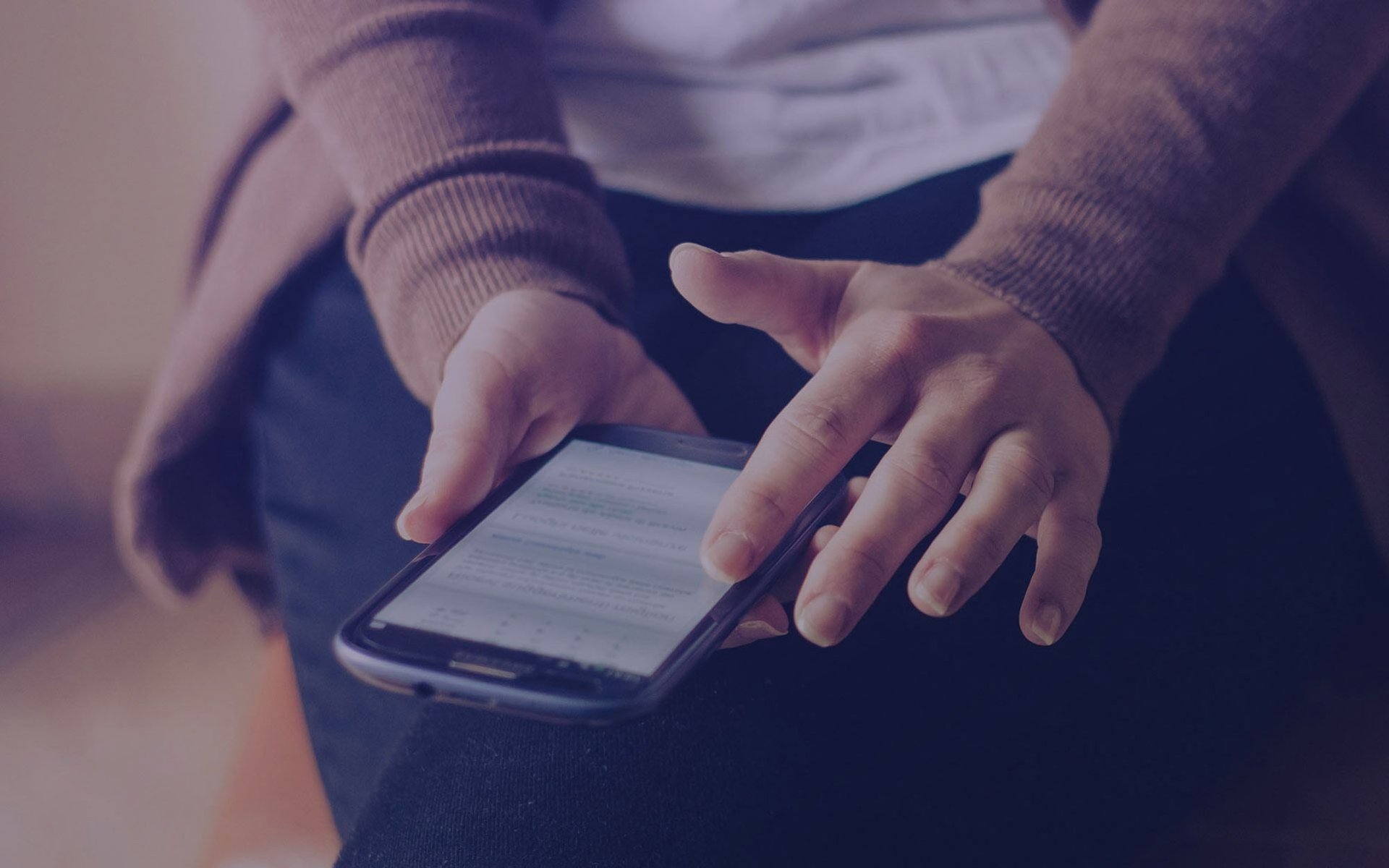
Users today are more aware than ever before of their digital security. In an age where financial apps, health tools, e-commerce sites, and social media rule, the issue of data abuse and unauthorized access is no longer a hypothesis. mobile app shielding, an active app security measure, has come to be one of the most reliable means of securing applications from tampering, reverse engineering, and intrusion. Not only does the practice make the technical foundation more robust, but it also directly impacts what people feel about and trust a brand.
- The Psychology Behind App Security: Customers usually form emotional bonds with apps they frequently use. Whether it is keeping their credit card details or health information, users expect the same safety as they are provided with by their traditional banking offices or clinics. If an application shows security vulnerabilities, users lose trust and usually remove it forever. Conversely, strong app safety measures indicate reliability, which makes users loyal. Trust is no longer a function of branding but the outcome of concrete, security-driven experiences that users perceive each time they use the app.
- Transitions from Legacy Security to Real-Time Defense: Security has long been concerned with safeguarding servers and networks. Mobile phones, however, introduced new attack vectors like runtime threats and man-in-the-middle attacks. Static security models are no longer adequate. Live defenses like runtime application self-protection (RASP) and code obfuscation are a necessity today. Mobile app shielding is not just normal encryption since it actively guards against intrusions while the application executes. This switch from reactive to proactive protection significantly increases user trust because the app safeguards itself in real-time.
- Safeguarding the User While Avoiding Interference: Security controls are most effective where they do not intrude on usability. Protection of the app happens behind the scenes, as opposed to multi-factor logins or CAPTCHA schemes that annoy users. This balance between convenience and security is a long way towards establishing long-term trust. When the users get to experience convenient access without security trade-offs, they are more pleased and apt to return to the app repeatedly. That becomes part of their online routine when trust is established organically.
- Evolution to Adaptive Threats: Threats to security emerge daily. Malware writers, hackers, and spammers consistently create new methods of taking advantage. An application developed with static security could be safe today but not the next day. Protection for mobile applications provides extensibility through utilizing updates that adapt with threat scenarios. Applications showing such strength vow users that their security is never secondary. Users ought to trust that the app they depend on today will be as dependable the next day.
- Compliance with Legislation: Some sectors are under the burden of burdensome data privacy regulations. App protection is critical for addressing such compliance needs. It encrypts individual data on the device level, so encryption is hardly the sole barricade. Customers like to feel that they are protected while using an app which meets legal standards that are intended to protect them.
- Developers’ Involvement in Building Trust: Although marketing teams are the usual ones with the role of building trust in a brand, the fact is that developers are now as well involved. Choices at the code level directly contribute to the security of an app. Mobile app protection is something that the developers prioritize so that they can make their brand more reliable. Their behind-the-scenes efforts make the user’s perceived protection. The development mindset must be imparted to every team so that security is a shared value, not a checkbox item.
- Trust Is a Commitment in Progress: Establishing trust is not a one-time thing—it’s a progression. Users will not recall a lovely UI, but they will recall whether an application desecrates their information or is compromised. Security evolves with updates, patches, and more advanced forms of defense. Each version of the app must show an enhanced commitment to safety. When users perceive that their trust is being honored over time, they become emotionally more attached to the application.
- Reducing User Drop-Offs Due to Suspicion: The majority of apps lose users simply because they suspect that they are not secure. Whether it is random crashes, malicious permission prompts, or suspicious popups, users take these hints seriously. When app protection is executed well, all these warning signs are eliminated or avoided, reducing user tension. The application performs flawlessly even when under attack, and the user is unaware that something went wrong in the background. This silent shield gives an effortless experience that is stable, stable, and elegant.
- Securing Sensitive Transactions: Payment handling, personal data handling, or location service handling apps must meet stricter security standards. Even one vulnerability can cause critical trust loss. App protection offers a second layer of management via threat detection and threat prevention like screen recorders, debuggers, or malware injection. With such defenses, users are more willing to give their data and conduct their transactions.
- Fighting Reverse Engineering and Piracy: Attackers would typically try to reverse engineer apps to extract business logic, exfiltrate intellectual property, or inject malware. If apps are left unsecured, it is essentially giving a blueprint to someone with some technical skill. App shielding keeps just that from happening by scrambling code structure, encrypting assets, and obfuscating app behavior from the attacker so that they are unable to understand or control the app. By repelling these efforts, the app keeps itself secure and with users’ trust in its authenticity.
- Establishing Brand Trust by Security: Good security is what users tend to link with good brand values. An application that is constantly safeguarding the privacy and integrity of its users becomes synonymous with responsibility. This security posture becomes part of the brand and is among the things users cite when talking about and suggesting the app. In a highly competitive environment, being seen as secure causes users to become champions for the app. They’re more likely to suggest the app, leave positive reviews, and rush to the brand’s defense in forums, simply because they feel safe using it.
Conclusion
App shielding is now a necessary feature rather than an added one. It operates silently but with immense might, allowing users to transact, share, and interact without hesitation. For United States users and beyond, safety equals credibility. Each screen tap has expectations of security behind it. When well done, this security becomes the unseen reason why users remain. In a world where cyber attacks rule the headlines, doverunner-level app security isn’t merely good business—it’s a competitive edge that wins users.


More Stories
AI Regulation News That Will Shape the Future of Technology
Cybersecurity Technology News That Protects Your Digital Life
Hacking Technology News That Reveals Digital Security Risks